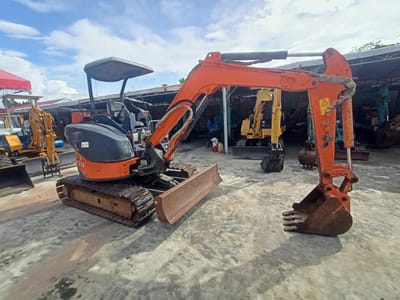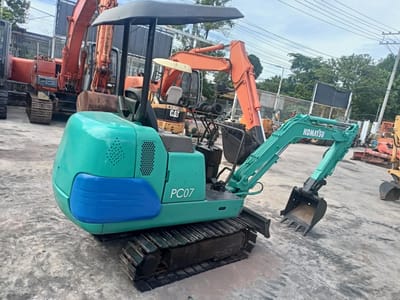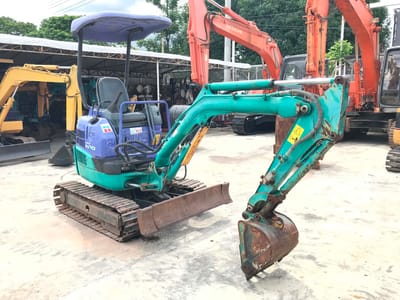

Step 1: Purchase and transport to the port
After the auction or purchase, the unit is trucked from the auction yard to the export port and checked against its auction sheet. For heavy equipment, this is also when buckets, attachments, and manuals are packed or listed for the shipment.
Step 2: Export deregistration and the Japan export certificate
Under a Road Vehicle Law amendment in force since 1 January 2005, the owner of a registered vehicle who plans to export it applies for registration deletion and gets the certificate in advance. If the registration was already deleted, the owner tells the ministry about the planned export, returns the deletion certificate, and gets a Certificate of Notice of Planned Export.
The export certificate records the chassis number, the registration history, and the build date. Customs and the registration office at the destination check the truck against it.
Step 3: Export customs documents
For a used vehicle export, JETRO lists the usual customs documents as an invoice, a packing list, a bill of lading, the export deregistration certificate, and a pre-shipment inspection certificate if the buyer requests one.
| Document | What it does |
|---|---|
| Commercial invoice | States the price paid. Customs at the destination starts its valuation from it. |
| Packing list | Lists every item in the shipment, including parts and attachments in the same container. |
| Bill of lading | Proves the shipment and controls release at the destination port. |
| Export certificate | Shows the vehicle was deregistered in Japan for export. |
| Pre-shipment inspection certificate | Issued on request, when the buyer or the destination needs one. |
Step 4: RoRo vs container vs flat rack
| Method | How it works | Suits |
|---|---|---|
| RoRo | The unit is driven onto the vessel and parked on a vehicle deck. | Trucks and machines that run and drive |
| Container (vanning) | The unit is loaded and lashed inside a steel container. | Mini excavators, parts, and attachments |
| Flat rack | The unit is lashed to an open-sided platform container. | Machines too wide or tall for a closed container |
RoRo is cheaper, and a container gives better protection from weather and handling. When you're shipping an excavator from Japan, a container also lets a mini excavator travel with its buckets and spare parts in one shipment.
Step 5: Arrival and clearance
The freight quote ends at the destination port. Port handling, customs brokerage, duty, tax, and inland transport are added after that, and a landed price that names all of them is the number to compare between sellers.
In the Philippines, an allowed used truck needs a Certificate of Authority to Import from the DTI before it's imported, and a right-hand-drive truck has to be converted to left-hand drive before registration (the Philippine rules in full). Cambodia bans importing right-hand-drive vehicles, which changes what a Cambodian buyer should source from Japan (what the ban means for truck buyers).
Egypt requires Advance Cargo Information before a shipment sails (how Egypt's ACI works), and its rules on used vehicles and machines are covered in importing used equipment and trucks into Egypt.
Where Workline fits
Workline's vehicle shipping service covers this chain for buyers in the Philippines, from sourcing and shipping through customs clearance and LTO registration. If the unit you need isn't in stock, start with an auction request, and read how Japan's heavy equipment auctions work for the buying side.